Cybersecurity has become one of the fastest-growing technology fields as businesses, governments, and individuals work to protect digital systems from cyber threats. This has created a growing demand for skilled ethical hackers who can identify security weaknesses before malicious attackers exploit them.
Choosing the best ethical hacking course in India is an important step toward building practical cybersecurity skills. A good training program should go beyond theory and provide hands-on experience with real-world tools, labs, and scenarios that reflect modern cybersecurity challenges.
This guide explains what ethical hacking is, what skills you should learn, how to choose a quality training program, career opportunities, salary expectations, and the features to look for in an ethical hacking course.
Table of Contents
ToggleWhat Is Ethical Hacking?
Ethical hacking is the process of legally testing computers, applications, networks, and cloud environments to identify security vulnerabilities before they can be exploited by attackers.
Unlike cybercriminals, ethical hackers work with authorization and follow legal and ethical guidelines to improve an organization’s security.
Ethical hackers perform activities such as:
- Network security assessments
- Web application security testing
- Wireless security testing
- Mobile application testing
- Active Directory assessments
- Vulnerability assessment
- Security auditing
- Security reporting
Why Learn Ethical Hacking in India?
India’s digital economy continues to expand, increasing the need for cybersecurity professionals across industries such as banking, healthcare, e-commerce, manufacturing, education, and government.
Learning ethical hacking can help you develop practical skills that are valuable in roles focused on securing systems and applications. Organizations increasingly seek professionals who understand how attackers think so they can strengthen defenses.
Who Can Join an Ethical Hacking Course?
Ethical hacking is suitable for learners from many backgrounds, including:
- Students after Class 12
- College students
- IT professionals
- System administrators
- Network engineers
- Software developers
- Cybersecurity beginners
- Career changers
A willingness to learn networking, operating systems, and security concepts is often more important than prior cybersecurity experience.
Skills You Should Learn
A comprehensive ethical hacking course should include practical exposure to topics such as:
Networking
- TCP/IP
- Routing
- Switching
- DNS
- DHCP
- VPN
Operating Systems
- Linux
- Windows
- Windows Server
Programming
- Python
- PowerShell
- Bash
Web Security
- HTTP/HTTPS
- Authentication
- Session management
- Common web vulnerabilities
Active Directory
- Domain architecture
- Authentication concepts
- Security auditing
Malware Analysis
- Static analysis
- Dynamic analysis
- Safe analysis workflows
Digital Forensics
- Evidence collection
- File system basics
- Log analysis
Reverse Engineering
- Executable analysis
- Debugging fundamentals
Practical Hands-on Labs
Practical experience is essential in cybersecurity education. Look for a course that includes structured lab exercises where students can safely practice security testing in isolated environments.
Examples include:
- Network analysis labs
- Web security labs
- Windows security labs
- Linux administration labs
- Active Directory labs
- Digital forensics exercises
- Malware analysis labs
- Capture-the-Flag style challenges
Ethical Hacking Tools
Students may gain experience with widely used security tools appropriate for authorized learning environments, such as:
- Nmap
- Wireshark
- Burp Suite Community Edition
- Metasploit Framework
- OWASP ZAP
- John the Ripper
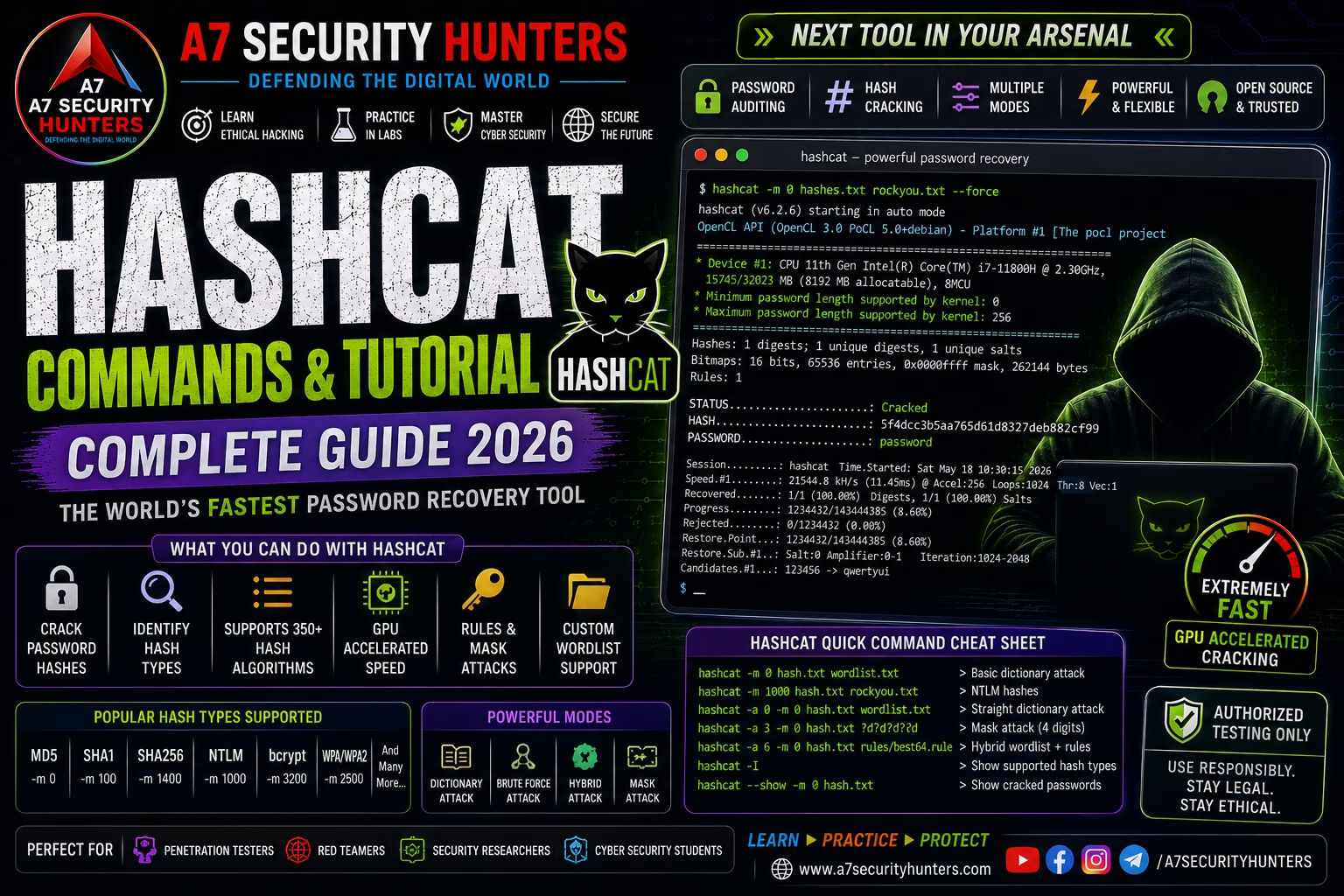
- Hashcat
- Autopsy
- Volatility
- Kali Linux
The emphasis should be on understanding concepts and using tools responsibly in authorized environments.
Online vs Offline Ethical Hacking Courses
Both online and offline training can be effective when they include live instruction, practical labs, and opportunities to ask questions.
Consider factors such as:
- Live instructor interaction
- Hands-on lab access
- Structured curriculum
- Student support
- Practical assignments
- Career guidance
Career Opportunities
Learning ethical hacking can support careers such as:
- Ethical Hacker
- Penetration Tester
- Security Analyst
- SOC Analyst
- Vulnerability Assessment Specialist
- Incident Response Analyst
- Digital Forensics Analyst
- Security Consultant
Job requirements vary by employer and typically depend on practical skills, experience, and qualifications.
Salary in India
Salaries vary based on experience, location, employer, and technical expertise. Professionals with strong practical skills, relevant certifications, and project experience generally have access to a broader range of career opportunities.
How to Choose the Best Ethical Hacking Course
Before enrolling, evaluate whether the course offers:
- Practical hands-on labs
- Experienced instructors
- Live doubt-solving sessions
- Updated curriculum
- Real-world scenarios
- Certificate verification
- Career guidance
- Student support
- Active learning community
Frequently Asked Questions
Is ethical hacking legal?
Ethical hacking is legal only when performed with proper authorization from the owner of the systems being tested.
Can beginners learn ethical hacking?
Yes. Many courses begin with networking, operating systems, and security fundamentals before progressing to advanced topics.
Do I need programming?
Basic programming knowledge is helpful, but many beginners start learning programming alongside cybersecurity concepts.
Is online training effective?
Live online training combined with practical labs can be an effective learning approach when supported by experienced instructors and structured exercises.
How long does it take to learn?
Learning time depends on prior experience, study consistency, and the depth of the curriculum. Cybersecurity is a field that requires continuous learning.
Conclusion
Choosing the best ethical hacking course in India involves more than comparing course names or prices. Look for a program that emphasizes practical learning, hands-on labs, structured guidance, and opportunities to build real cybersecurity skills.
A strong learning foundation, combined with consistent practice and responsible use of security knowledge, can help you prepare for a career in cybersecurity.